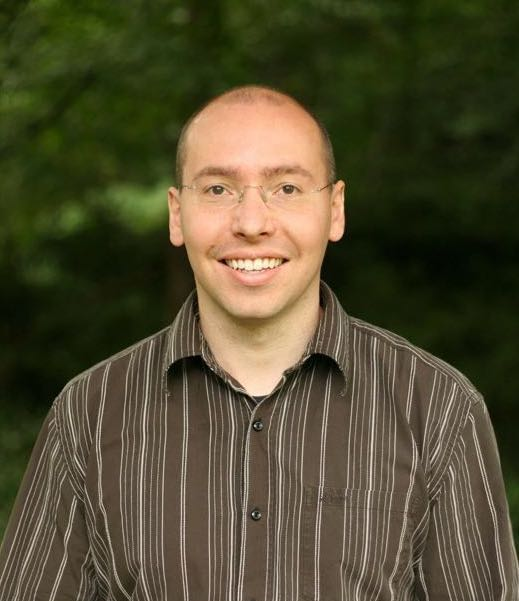

Quantum Computing for High-Energy Physics and Data Analysis
Event type:
- Colloquium

Quantum Computing for High-Energy Physics and Data Analysis
Quantum Computing is developing at a tremendous pace, with possibly transformative implications for a wide range of applied and fundamental research areas. After a review of the current state-of-the-art in quantum computing and a brief introduction to some of the most famous quantum computing paradigms, I will discuss concrete examples of how quantum computing algorithms can be beneficially applied to tasks in high-energy physics and data analysis - at current and near-term quantum devices. Examples will include quantum gate computing algorithms for parton showers, quantum machine learning algorithms for classification tasks and the simulation of non-perturbative quantum effects in scalar field theories using quantum spin-lattice systems.